







Search Results for: cup rim shape
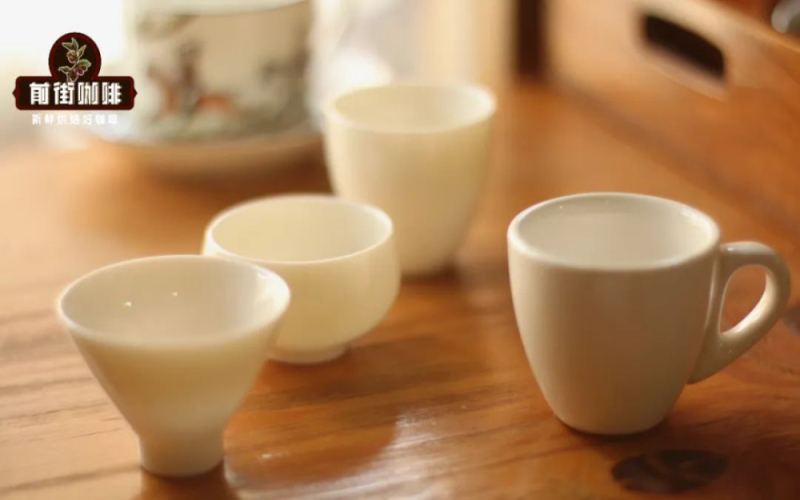
The Complete Guide to Choosing a Coffee Cup: How Material, Thickness, and Rim Shape Shape the Tasting Experience of Espresso, Latte, and Cappuccino
When it comes to drinking coffee, besides the beans and brewing method, the cup is also an aspect that cannot be overlooked. This article starts from three dimensions—material, thickness, and the shape of the cup body and rim—to systematically sort out the actual effects of different coffee cups on visual appeal, heat retention, and taste perception. You will learn what scenarios glass, ceramic, and stainless steel are each suited for, which flavors open-mouth cups, straight-bodied cups, and tapered cups can respectively amplify, and why Front Street pairs specific cup types when recommending single-origin coffees such as Red Cherry, Geisha Village Flower Queen, and Mozart. Whether you are a collector or just starting out, this cup-selection guide can help you find the vessel best suited to the cup of coffee in front of you. [more…]
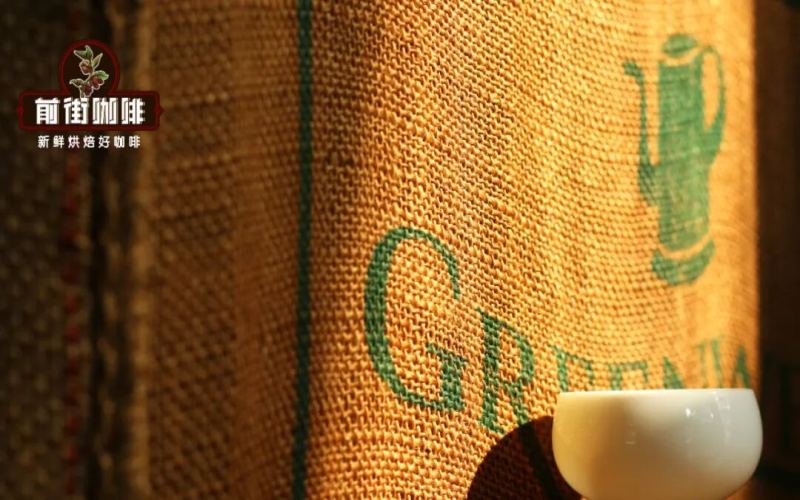
Pour-Over Coffee Tasting | Does Coffee Taste Differ with Different Cup Shapes? Which Cup Shape of Coffee Tasting Cup Should Be Paired for Tasting Different Coffees?
As the saying goes, a good horse deserves a good saddle, and good tea belongs in a fine jar. As the main vessel for holding coffee, the impact of different cup designs on tasting has gradually drawn people's attention. Some coffee shops even spend lavishly on a set of coffee cups dedicated to serving, in order to create a dual experience for the eyes and the palate. Just like wine, cups [more…]

How the material, thickness, and shape of a coffee cup shape the drinking experience and flavor perception
Have you also collected a bunch of exquisite and good-looking coffee cups, yet always find yourself unsure which one to pick when brewing coffee? In fact, the material, thickness, and rim shape of a cup each have their own nuances. Although they won't change the concentration or flavor compounds of the coffee liquid, they can influence our visual perception, temperature, and mouthfeel through their structural characteristics. This article follows the perspective of Front Street Coffee, breaking down everything from materials and wall thickness to different forms such as wide-mouth, straight-sided, and tapered cups, helping you understand what kind of coffee each cup is suited for, while also discussing the exceptional strengths and sole weakness of those professional tasting cups used in competitions. [more…]
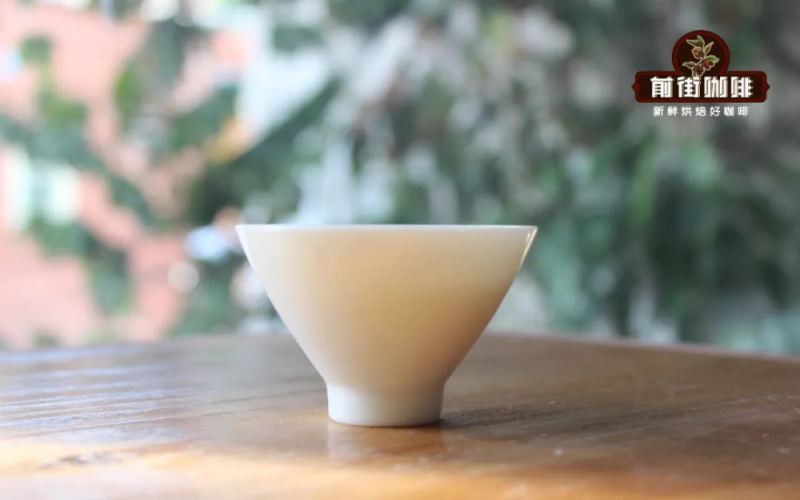
How the shape of the cup rim changes the flavor expression and drinking experience of pour-over coffee
When drinking pour-over coffee, does the shape of the cup really affect the taste? Front Street used three common cup types—wide-mouth, straight-walled, and tapered—to conduct a comparative tasting of the same coffee, and found that aroma, acidity, sweetness, and body all show noticeable differences depending on the rim design. Starting from cup type classification, this article combines the brewing performance of Guatemala Geisha, Brazil Queen's Estate, and Ethiopia Yirgacheffe Gutingding to analyze how different rims guide the flow of coffee liquid in the mouth and temperature changes, and offers cup selection suggestions for acidic, bitter, and aroma-forward coffee beans, helping coffee enthusiasts find a drinking method that suits them better. [more…]
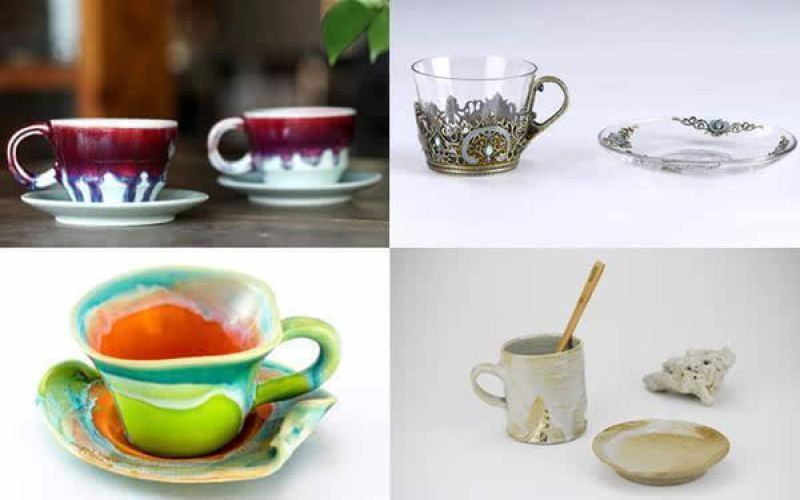
The Complete Guide to Choosing a Coffee Cup: How Material, Rim, Wall Thickness, and Capacity Affect Flavor
Coffee is a widely loved beverage that, beyond its rich aroma, offers numerous benefits to the body. A great cup of coffee depends not only on bean quality and extraction technique—the cup itself is an equally important supporting player. Choose the right cup, and your coffee can present itself at its very best. This article systematically breaks down how to choose a coffee cup from four dimensions: material, rim shape, wall thickness, and capacity. It also reminds you of the small detail of preheating the cup before drinking, helping beginners find the cup that suits them best. [more…]
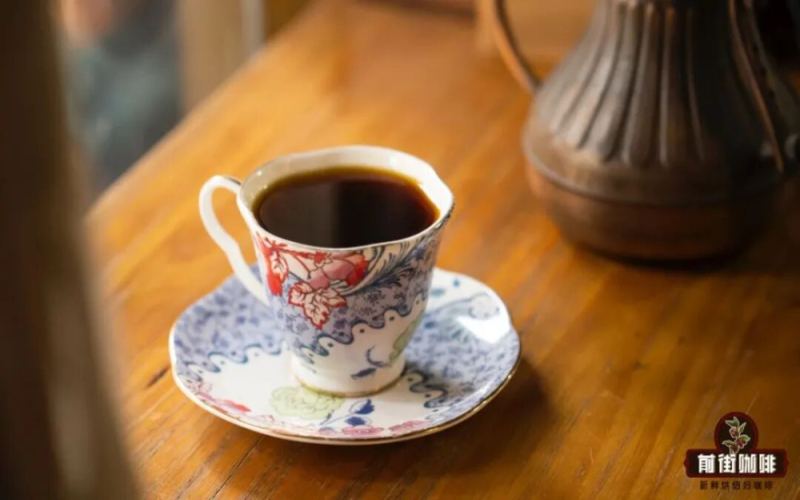
Introduction to Coffee Tasting: How Cup Rim Shape Affects the Aroma and Mouthfeel of the Same Pot of Coffee
In coffee tasting, the cup is not just a container—the design of the rim directly affects aroma release and the path the coffee takes as you sip. This article compares three mainstream rim types—open, straight, and tapered—using the same brew to contrast dark-roasted Front Street Blue Mountain No. 1, medium-roasted Front Street Sidra, and light-roasted Geisha Village Red Label, recording the flavor differences at the aroma, hot, and cool stages. It also explains the sensitivity of different areas of the tongue to taste and offers pairing suggestions for coffees of different roast levels with cup types, including Front Street Huakui, Front Street Little Tomato, Front Street Mandheling, Front Street Yirgacheffe, and Front Street Strawberry Candy. [more…]
How to choose a coffee cup's material, size, and color? How is it different from a teacup? Can you use a teacup to hold coffee?
A coffee cup is not just a vessel for holding coffee—its material, size, color, and even the shape of the rim all influence how a cup of coffee expresses its aroma and temperature. Ceramic cups and porcelain cups convey distinctly different attitudes toward coffee, while bone china cups allow coffee to cool more slowly and preserve its flavors more completely; different capacities correspond to drinking styles such as black, with milk, or au lait; and a white interior makes it easier to observe the coffee's color. Coffee cups and black tea cups also differ in rim width, wall thickness, and translucency. In addition, the direction in which the cup is placed, the steps for warming it, and the way it is cleaned are all details that cannot be overlooked if you want to preserve coffee's rich aroma. Below, together with Front Street Coffee's recommendations, let's sort through all these finer points. [more…]
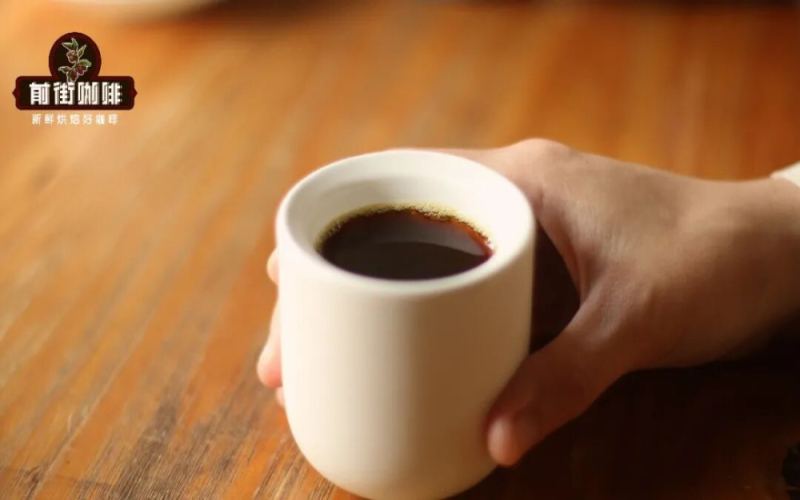
A Practical Guide to Choosing Coffee Cups: How Material, Capacity, Thickness, and Shape Affect the Taste of Espresso, Latte, Flat White, and Dirty
Faced with the dazzling array of coffee cups on the market, many people wonder: can a cup really change the taste of coffee? And what cup shapes should different drinks be paired with? Starting from the coffee cups commonly used at Front Street, this article sorts out the effects of four dimensions—material, size, thickness, and cup shape—on coffee flavor, and gives specific cup selection suggestions for common coffees such as hot latte, cappuccino, flat white, Dirty, and pour-over. Whether you are a beginner enthusiast or a barista making drinks every day, you can find practical purchasing ideas here, so that every cup of coffee can show its best side. [more…]
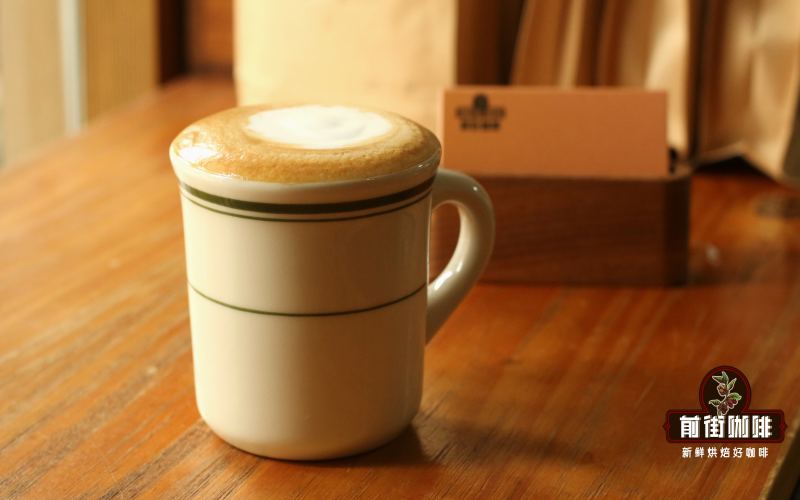
How Thick Should the Milk Foam Be for a Standard Cappuccino? Uncovering the Milk Foam Differences Between Cappuccino and Latte and Key Production Points
Many people cannot distinguish a cappuccino from a latte, especially nowadays when latte art is so popular that the two seem to look more and more alike. In fact, from the thickness of the milk foam to the logic of preparation, there is a clear dividing line between them. A cappuccino emphasizes preserving a ring of brown "coffee golden ring," and the milk foam needs to be whipped to about 1.5 cm thick to support a "hat" shape rising above the rim of the cup, which is why it is not suitable for latte art. A latte's milk foam, by contrast, is only about 1 cm thick and highly fluid, making it easy to blend and draw with. Starting from Front Street Coffee's production experience, this article sorts out the historical origins of the cappuccino, the standard for milk foam thickness, and the core differences from a latte, and gives complete operating steps from choosing a cup, extraction, and steaming milk to pouring, helping you make a qualified cup of cappuccino. [more…]
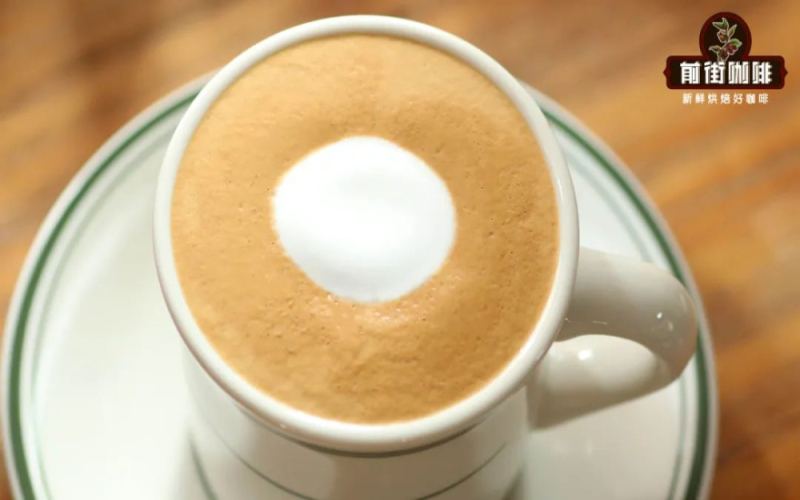
The Truth About Cappuccino Ratios: 1:1:1 Is Not the Standard—Milk Foam Thickness and the Golden Ring Are What Really Matter
Is the espresso, milk, and milk foam ratio in a cappuccino really 1:1:1? This widely circulated formula is actually not the WBC standard. Front Street Coffee once replicated and verified it, and found that the high proportion of coffee led to a strong, bitter taste and poor integration. Starting from the WBC competition rules, this article sorts out the origin of the cappuccino and the "coffee golden circle" tradition, explains why it is not suitable for latte art, and breaks down in detail the process of making a qualified cappuccino—from choosing a 180ml tulip cup and the extraction parameters for Front Street Coffee Sunflower Warm Sun coffee beans, to steaming refrigerated fresh milk into a 1.5cm thick milk foam and the pouring technique that protects the crema, helping you make an authentic cappuccino with milk foam rising above the cup rim without collapsing. [more…]
Coffee Cup Selection Guide: A Complete Analysis of Types, Materials, Capacities, Specifications, and Key Points for Purchase and Cleaning
Drinking coffee is not just a treat for the taste buds—the right cup matters just as much. This article systematically breaks down the differences between coffee cups and tea cups, the material characteristics of pottery, porcelain, and bone china, how the interior color of a cup affects the observation of the coffee liquid, and practical advice on choosing cup shapes according to the type of coffee. It also explains in detail the suitable scenarios for three capacity specifications—under 100cc, around 200cc, and over 300cc—and shares cup-warming methods, cleaning taboos, and bone china care guidelines, helping coffee lovers elevate their tasting experience through the details. [more…]
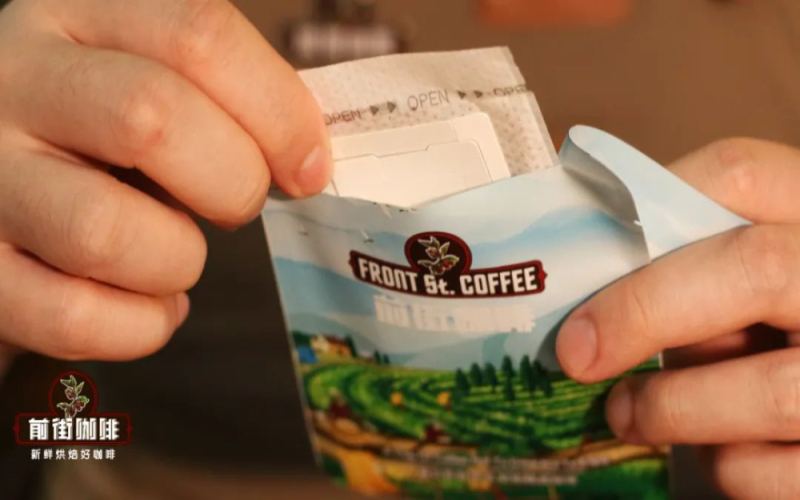
What is the ideal brewing water temperature for drip bag coffee? Why can't it be steeped like a tea bag? A detailed guide to the small-amount, multiple-pour method
Drip coffee bags have become a convenient choice for many people's daily caffeine fix, but brewing a great cup takes more than just a packet of grounds and hot water. Water temperature, the amount of water poured, cup shape, pouring technique, and even the habit of shaking the filter bag all directly affect the final flavor. This article explores five practical details: what temperature range the water should be kept at, how to estimate the coffee-to-water ratio, what requirements the cup rim and body should meet, why you should pour in small streams in stages, and how to avoid fine grounds sinking to the bottom when opening the packet. It also offers targeted brewing suggestions based on the flavor characteristics of three seasonal drip coffee bags from Front Street Coffee: Yirgacheffe, Brazil, and Mandheling. [more…]
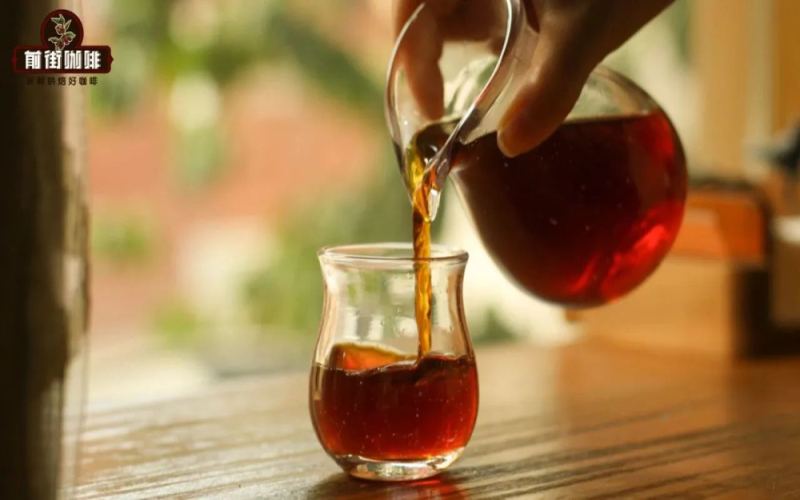
How do the material and shape of a coffee cup influence flavor? A practical guide to choosing a cup for pour-over coffee
When tasting wine, the shape, material, and even the thickness of the glass can change the sensory experience—and the same is true for coffee. A suitable coffee cup not only highlights the aroma and layers of pour-over coffee, but may also mask certain flaws. Starting from a share by Front Street Coffee, this article discusses how factors such as cup material, rim design, and wall thickness affect coffee flavor, and offers specific advice for choosing a cup for everyday pour-over. If you're used to drinking pour-over from a mug or paper cup, you may be missing out on quite a few delicate flavors. [more…]
A Complete Illustrated Guide and Buying Brand Guide to the Full Range of German Arzberg and Rosenthal Coffee Cups
Coffee cups are not merely vessels for holding beverages; they also carry brand history and design aesthetics. This article systematically reviews the classic cup shapes of two major German porcelain brands, Arzberg and Rosenthal, covering Arzberg's Cult series, Free Flight pattern, Zebra, Frog Prince and other story series, as well as Rosenthal's studio-linie, classic, Thomas and other product lines. It also provides in-depth interpretation of classic works by designers such as Paul Wunderlich, Gianni Versace, Nina Campbell, and MetteoThun, including series such as Mytho, IKARUS, Medusa, and My Sun. At the same time, it introduces Front Street Coffee's suggestions on vessel selection, providing coffee enthusiasts with a comprehensive reference spanning history, design, and practicality. [more…]

Why Isn't Cappuccino Served Iced? A Complete Interpretation from Its Naming Origins to the Golden Circle Tradition
Cappuccino is a classic of Italian coffee, but it has a characteristic that leaves many baristas rather helpless—it is only made hot. Why is there no iced cappuccino? Behind this lie both the historical origins of its naming and the finer points of its crafting. From the etymology of the Italian word "Cappuccino," to the inspiration drawn from the shape of the hoods worn by missionaries of the Catholic Franciscan order, to the "coffee golden ring" and the dense milk foam rising above the rim of the cup, every detail of cappuccino carries tradition. Front Street will guide you through the core characteristics of cappuccino, and why an iced cappuccino struggles to recreate the joy of that hot cup. [more…]
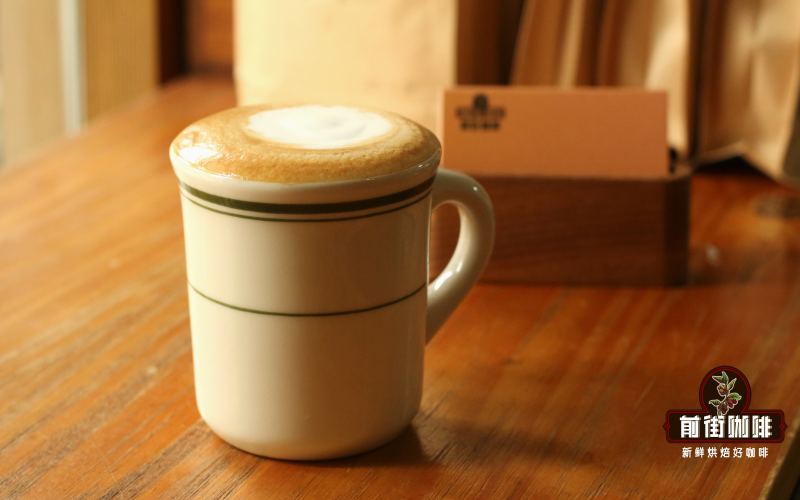
Cappuccino Milk Foam Thickness Standards and Texturing Analysis: From Classic Recipe to Modern Evolution
As a representative of Italian milk coffee, the thickness and degree of frothing of cappuccino's milk foam have always been a core concern for coffee enthusiasts. Starting from the classic 1:1:1 recipe, this article traces the evolution of cappuccino across different historical periods, analyzes the reasons behind the change in milk foam thickness from 2.5cm to 1-2cm, and explores the influence of latte art culture on the form of takeaway cappuccino. At the same time, drawing on the practical experience of Front Street Coffee, it explains how a small cup size, filling to 11 parts, a rich coffee flavor, and dense milk foam together constitute the essential characteristics of cappuccino, helping readers understand the positioning and identification methods of this classic beverage in the modern coffee environment. [more…]

Is Turkish coffee fortune-telling really accurate? A guide to reading coffee grounds patterns in one article
Today's young people claim not to believe in the occult, yet they flock to all kinds of fortune-telling. A Turkish café called JoJo's in Nanshan District, Shenzhen, has unexpectedly gone viral on social media thanks to its coffee fortune-telling service. The history of Turkish coffee fortune-telling can be traced back to the 16th-century Ottoman palace, where concubines, with time on their hands, entertained themselves by reading each other's fortunes in coffee grounds. Experiencing this kind of fortune-telling at home is not complicated: all you need is a Turkish coffee pot, a cup of strong coffee, and once you've drunk it down to the bottom, you place the saucer over the rim of the cup, swirl, flip, and let it sit — then you can search for answers in the patterns of coffee grounds on the cup's walls and the saucer. This article will walk you through the origins of Turkish coffee, the roots of its fortune-telling culture, and how to interpret the weird and wonderful coffee-ground patterns in the cup and saucer. [more…]
A Complete Guide to Making Cappuccino: From the Origin of the Name and the Coffee Golden Circle to the Hands-On Practice of Steaming Milk Froth
What exactly is the difference between a cappuccino and a latte? Why does an authentic cappuccino insist on preserving a ring of brown "coffee golden ring," and why is it usually not decorated with latte art? This article begins with the origin of the name cappuccino, tracing its historical connection to the robes of the Franciscan Order, and explains the reasons behind the formation of the golden ring as well as the relationship between milk foam thickness and latte art. It then follows the main thread of the process for making a qualified cappuccino, introducing in turn the choice of coffee cup, espresso extraction parameters, the use of refrigerated fresh milk, milk foam aeration and steaming techniques, and how to pour the milk foam before the milk to protect the coffee crema. The article includes Front Street Coffee's serving approach and specific extraction data, and is suitable for coffee enthusiasts who wish to gain a systematic understanding of cappuccino. [more…]
A Beginner's Guide to Coffee Latte Art: A Complete Guide to Choosing Equipment and Tools from Espresso Machines to Latte Art Pitchers
Wanting to learn latte art, passion alone is not enough—choosing the right equipment and tools is the first step. This article is aimed at beginner baristas and systematically sorts out the various basic equipment needed to get started with latte art: from the differences and selection points of the four boiler systems in professional Italian espresso machines (single boiler, heat exchanger, dual boiler, multi-boiler), to the classification of steam wands and steam tip types, then to grinder burr types, tamper shape matching, latte art pitcher spout shapes and groove designs, as well as the logic for choosing materials such as espresso beans and milk. It also analyzes the influence of cup shape on latte art results and gives the key parameters for adjusting machine settings, helping beginners avoid detours and laying a solid hardware foundation for subsequent latte art practice. [more…]
The Specialty Coffee Cup Selection Guide: From Material and Capacity to Color, Understanding the Key Points of Cupware Selection in One Article
In the world of specialty coffee, the choice of cupware is by no means a trivial matter. Coffee cups made of different materials deliver completely different tasting experiences—ceramic cups are robust and rustic, suited to dark, intense coffees; porcelain cups are fine and smooth, and bone china in particular brings out the delicate flavors of coffee even better. Cup shape and size are equally key: small cups of 60 to 80 ml suit pure single-origin tastings, standard cups of 120 to 140 ml are convenient for mixing, and mugs of 300 ml or more pair perfectly with milk coffee. In addition, a white interior best sets off the coffee's color, and coffee cups and tea cups are clearly distinguished by shape and light transmission. This article also covers warming techniques and everyday cleaning methods, and recommends related cupware choices from Front Street Coffee, helping enthusiasts enhance coffee flavor through the details. [more…]